
Palmitoyl Pentapeptide-4 (Matrixyl), Tetrapeptide-7, Hexapeptide-12
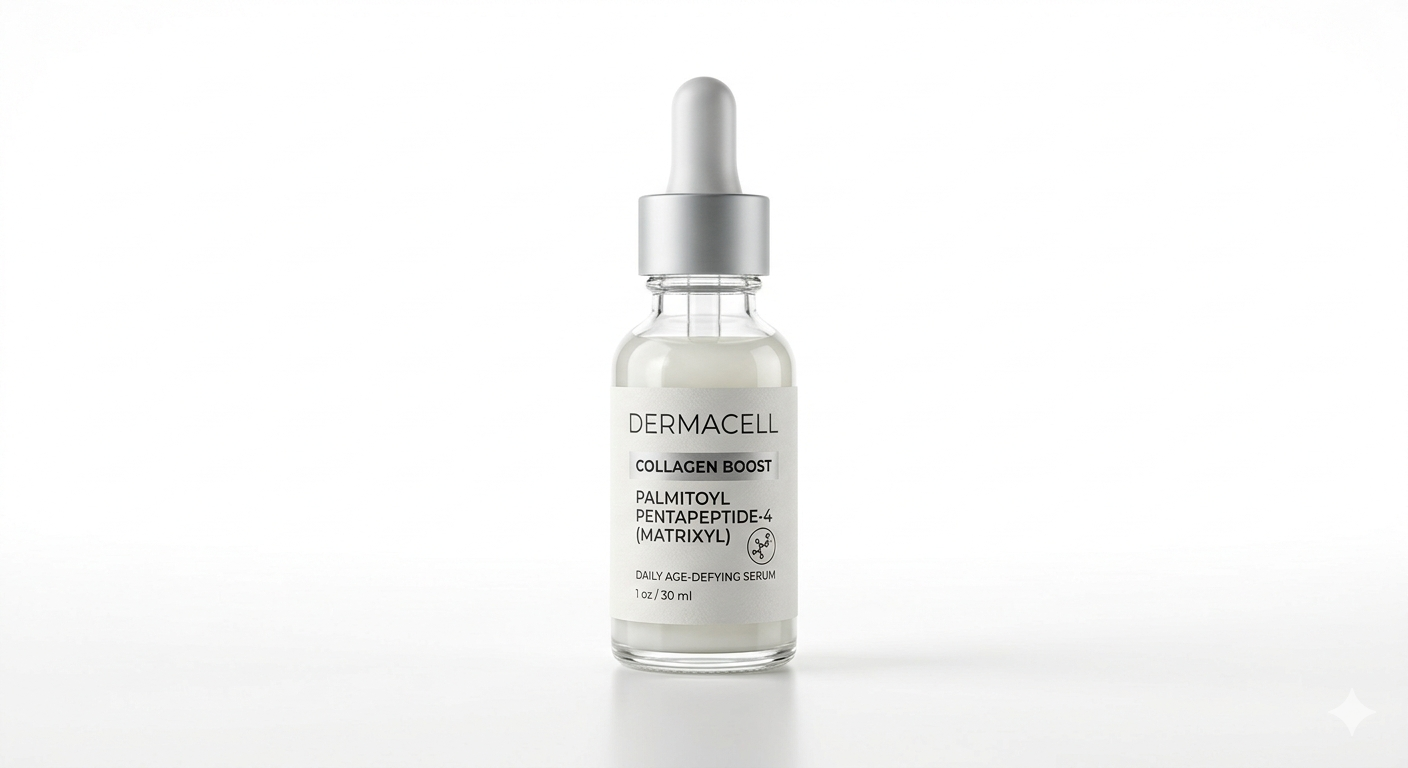
Palmitoyl Pentapeptide-4 (Matrixyl), Tetrapeptide-7, Hexapeptide-12
Quantité
Commande minimum de: 1 boxLivraison
Le fournisseur expédiera dans 3–10 jours après confirmation du paiement.
Les marchandises seront expédiées depuis le port de United Kingdom, China
L'expédition est proposée selon les conditions FOB — le fournisseur couvre les frais jusqu'au port de destination.
Échantillon disponible · $345.00/échantillon
Euromart Suppliers protection de commande
Chaque paiement que vous effectuez est sécurisé avec un cryptage SSL strict et des protocoles de protection des données PCI DSS
Effectuez des retours locaux gratuits pour les défauts sur les achats éligibles
Réclamez un remboursement si votre commande n'est pas expédiée, est manquante ou arrive avec des problèmes de produit
Meet your supplier

Distributor / Wholesaler • 3 yr •  UNITED KINGDOM
56%
On-time delivery rate
≤24h
Response Time
75
Employee Size
$500K
Annual Revenue
588
Products Sold
Location
Belfast, United Kingdom
Palmitoyl pentapeptide-4 to palmitoyl hexapeptide-12 (often associated with the Matrixyl series) are synthetic messenger peptides designed for advanced dermatological research. By attaching a palmitoyl (fatty acid) group to specific amino acid chains, these molecules achieve superior skin penetration and stability compared to standard peptides.
1. Palmitoyl Pentapeptide-4 (Matrixyl)
Known as "micro-collagen," this 5-amino acid peptide is a precursor to collagen type I.
- Mechanism of Action: It signals fibroblast cells to synthesize essential extracellular matrix (ECM) proteins, including collagen (types I, III, and IV), elastin, and hyaluronic acid.
- Research Indications: Extensively studied for reducing wrinkle depth, improving skin roughness, and supporting wound healing.
- Technical Data:
- CAS Number: 214047-00-4
- Molecular Weight: ~802.07 g/mol
2. Palmitoyl Tetrapeptide-7
Often combined with other peptides to address the inflammatory aspects of aging.
- Mechanism of Action: It works by suppressing the production of excess pro-inflammatory cytokines, specifically interleukin-6 (IL-6), which can lead to skin sensitivity and degradation.
- Research Indications: Studied for its ability to reduce redness, puffiness, and environmental damage by stabilizing the skin's defense systems.
- Technical Data:
- CAS Number: 221227-05-0
- Molecular Weight: ~694.92 g/mol
3. Palmitoyl Hexapeptide-12
Formerly known as palmitoyl oligopeptide, this sequence (Gly-His-Lys) mimics the fragments of elastin.
- Mechanism of Action: It functions as a signal peptide, "telling" the skin to look firmer by influencing key supportive elements in the uppermost epidermal layers.
- Research Indications: Research focuses on its ability to strengthen the skin barrier, improve moisture retention, and minimize the appearance of deep wrinkles.
- Technical Data: Found effective in research concentrations as low as parts per million.
Technical & Logistics Data
|
Identifier |
Value |
|
HS Code |
2933.99.00 (Global Standard for synthetic peptides) |
|
Purity |
≥98% (HPLC) for research standard |
|
Format |
White lyophilized powder |
|
Storage |
-20°C for long-term stability |
Ratings & Reviews
More from the supplier
 GB
GB

Showing 1–20 of 42 products